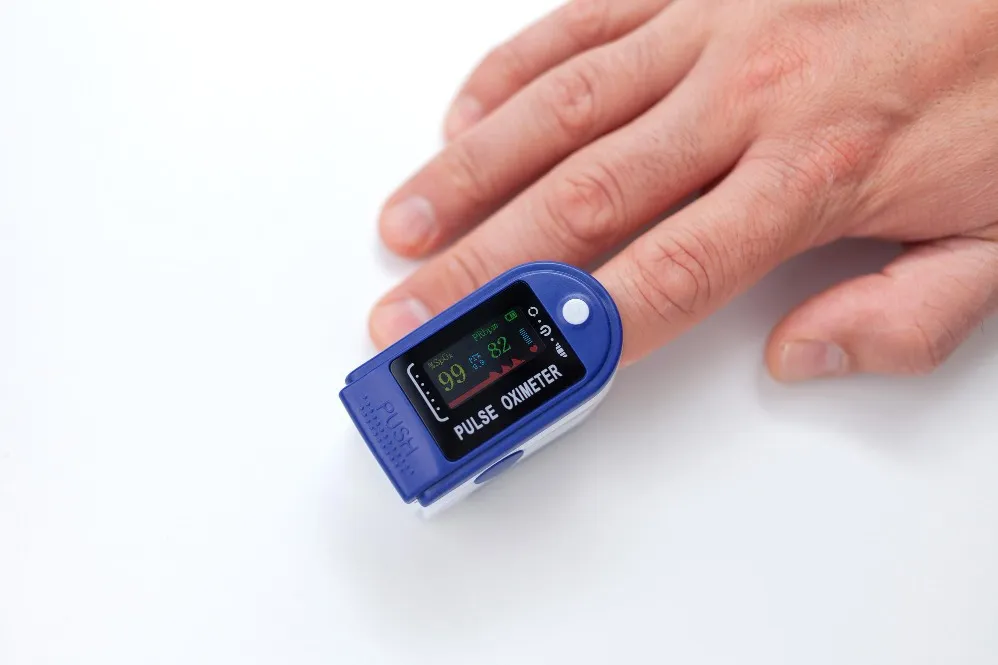
Monitoring oxygen levels has become an important part of home healthcare for many people living with respiratory conditions. A pulse oximeter is a compact, non-invasive device that measures oxygen saturation and pulse rate within seconds, providing valuable information that can help patients and caregivers monitor respiratory health between medical visits.
Although simple to use, understanding how to interpret readings and use the device correctly is essential.
What Is a Pulse Oximeter?
A pulse oximeter is a small electronic device that clips onto a fingertip. It uses light sensors to estimate:
- Blood oxygen saturation (SpO₂)
- Heart rate
The test is painless, quick, and does not require blood samples, making it suitable for routine home monitoring.
Who Should Use a Pulse Oximeter?
A pulse oximeter may be recommended for people with:
- Chronic respiratory diseases
- Asthma
- COPD
- Pulmonary fibrosis
- Sleep-related breathing disorders
- Heart conditions
- Home oxygen therapy
- Recovery after respiratory illness
Many healthcare providers also encourage caregivers of elderly patients to keep one available for routine observation.
How to Take an Accurate Reading
To improve measurement accuracy:
- Sit quietly for a few minutes before testing.
- Keep your hand warm and relaxed.
- Remove nail polish or artificial nails if possible.
- Place the device securely on the fingertip.
- Wait until the reading stabilizes before recording the result.
Movement during the measurement may affect accuracy.
Understanding Oxygen Saturation
Oxygen saturation indicates how much oxygen is being carried by red blood cells.
Readings can vary depending on individual health conditions. Rather than focusing on a single number, healthcare professionals often evaluate:
- Overall symptoms
- Medical history
- Trends over time
- Physician-prescribed oxygen targets
Patients should never change oxygen therapy settings based solely on pulse oximeter readings without medical advice.
Benefits of Home Monitoring
Using a pulse oximeter regularly can help individuals:
- Track oxygen levels over time
- Recognize changes that may require medical attention
- Monitor recovery after illness
- Support home oxygen therapy
- Share useful information with healthcare providers
Routine monitoring provides additional confidence for both patients and caregivers.
Common Mistakes to Avoid
Several factors can affect measurement accuracy.
Avoid:
- Cold fingers
- Excessive movement
- Poorly fitted devices
- Bright external lighting directly on the sensor
- Using damaged or low-battery equipment
Following the manufacturer's instructions improves reliability.
Choosing a Quality Pulse Oximeter
When selecting a device, consider:
- Display clarity
- Measurement speed
- Accuracy certification
- Battery life
- Ease of use
- Durability
- Warranty and service support
A reliable device can provide consistent readings over an extended period with proper care.
Local Availability and Support
Many families in Coimbatore now include pulse oximeters as part of their home healthcare essentials, especially when caring for elderly individuals or people with chronic respiratory conditions. Having access to local technical support and quality medical equipment makes home monitoring more dependable.
Across Tamil Nadu, awareness of preventive healthcare continues to increase, encouraging more households to adopt simple monitoring devices that support early identification of health concerns.
Breathe Support System supplies pulse oximeters along with a range of respiratory care equipment designed for home use. Information available through breathesupportsystem.com also helps customers understand proper device selection and maintenance.
A pulse oximeter is not a substitute for professional medical evaluation, but it is a valuable tool for monitoring oxygen levels and supporting informed healthcare decisions. Regular, accurate monitoring can contribute to safer and more effective respiratory care at home.
Keywords