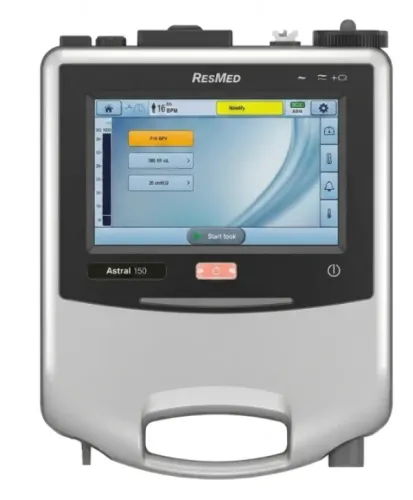
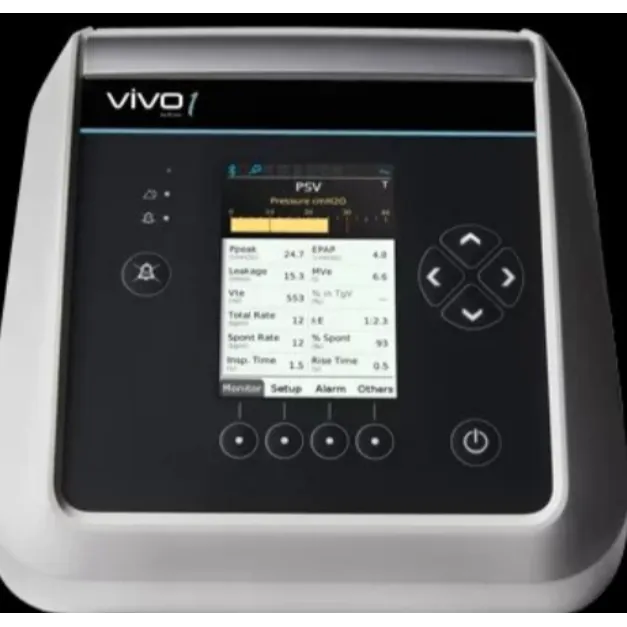
Transitioning a ventilator-dependent patient from hospital to home is a major care decision. Choosing a home care ventilator is only one part of that transition. Families also need an appropriate clinical plan, trained caregivers, compatible accessories, power contingency arrangements and access to technical support.
For families in Salem preparing for home ventilation, provider selection should therefore focus on readiness and continuity rather than the machine alone.
Start With the Clinical Requirements
Before selecting equipment, the family should have clear guidance from the treating medical team.
Relevant information may include the prescribed ventilation mode, patient interface or airway requirements, expected duration of support and monitoring needs.
The equipment provider should work from these requirements instead of independently determining the patient's treatment.
Confirm the Ventilator's Suitability
Home ventilators differ in their features and capabilities.
Families should ask whether the proposed model supports the patient's prescribed requirements and whether the necessary circuits, interfaces and accessories are compatible.
It is also important to understand whether the equipment is intended for the patient's particular home-care situation.
Prepare the Home Environment
The room where respiratory equipment will be used should be organised before the patient arrives.
Consider:
- Stable equipment placement
- Reliable electrical connections
- Ventilation around the device
- Space for accessories
- Easy caregiver access
- Safe cable management
- Clean storage for consumables
A cluttered setup makes everyday care harder and can create avoidable equipment problems.
Ask About Power Backup Planning
Power continuity deserves serious attention for patients who depend on ventilatory support.
Families should understand the ventilator's battery capability and discuss appropriate backup planning with the equipment provider and clinical team.
Any external power arrangement must be suitable for the equipment. Unapproved solutions should not be improvised.
Caregiver Familiarity Is Essential
Caregivers should know the basic operational aspects relevant to their responsibilities before home ventilation begins.
This can include understanding the machine display, recognising common alarms, checking tubing connections and knowing who to contact when a technical problem occurs.
Clinical emergencies require medical response. Equipment guidance should complement, not replace, the emergency plan provided by the healthcare team.
Evaluate Technical Support Before Choosing a Provider
A home ventilator may be used every day, so provider availability after installation matters.
Before finalising equipment, ask:
- Who handles technical problems?
- How are replacement accessories obtained?
- What happens if the machine develops a fault?
- Is setup guidance available?
- How are maintenance requirements handled?
- What information should caregivers keep available?
These questions help families understand whether the provider is prepared for ongoing home respiratory support.
Home Ventilator Services in Salem
Patients in Salem may return home after treatment in hospitals within the city or elsewhere in Tamil Nadu. The transition can be challenging for families who are unfamiliar with respiratory equipment and suddenly need to coordinate multiple aspects of care.
Breathe Support System provides home respiratory equipment solutions for patients in Salem. Families considering home care ventilators can discuss machine specifications, compatible accessories and practical equipment support based on the patient's documented requirements.
Provider readiness should be judged by more than product availability. A suitable home ventilation arrangement combines clinically appropriate equipment, organised installation, caregiver understanding, technical assistance and contingency planning. Establishing these elements before discharge can make the move from hospital-based respiratory support to home care more structured.
Keywords