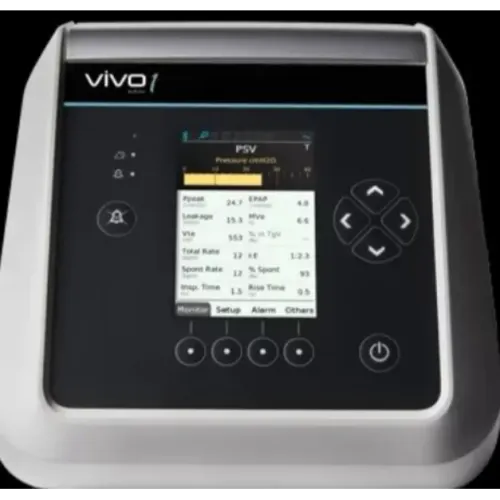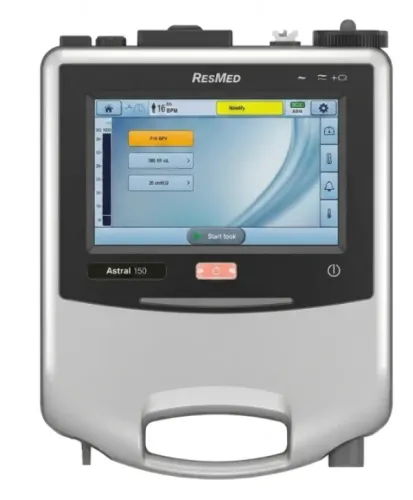
Hospitals selecting ventilators need to consider clinical applications, technical capabilities, maintenance support and long-term equipment availability. A ventilator is a critical piece of respiratory equipment, so procurement decisions should not be driven by price or product availability alone.
For hospitals and clinics in Madurai, a structured evaluation process can help procurement teams identify equipment that fits actual clinical requirements while supporting operational reliability.
Define the Intended Clinical Application
The first question should be where and how the ventilator will be used.
Requirements may differ between:
- Intensive care environments
- Emergency departments
- High-dependency units
- Patient transport
- Step-down care
- Home-transition programmes
A facility should identify its typical patient population and clinical scenarios before comparing equipment.
Review Required Ventilation Modes
Clinical teams should participate in specification decisions.
The proposed ventilator needs to provide the modes and parameters required by the intended department. More features do not automatically make a device more suitable. Unnecessary complexity can increase training demands without improving its usefulness for a particular application.
Procurement teams should therefore distinguish essential requirements from optional features.
Evaluate the User Interface
Equipment must be usable by appropriately trained healthcare staff, sometimes in time-sensitive environments.
Controls should be clear, displays readable and alarm information understandable. When introducing a new ventilator model, hospitals should consider the training needed for clinicians, nurses and relevant technical personnel.
Consistency across a fleet can also influence operational efficiency.
Ask About Accessories
The ventilator itself is only one part of the respiratory system.
Confirm availability and compatibility of required components such as circuits, filters, masks or other interfaces relevant to the selected equipment.
Facilities should understand which items are reusable, which are consumable and how frequently replacements may be required according to manufacturer recommendations and hospital protocols.
Review Maintenance Requirements
Preventive maintenance is important for critical medical equipment.
Before procurement, ask about recommended service intervals, technical assistance and the process for handling faults. Hospitals should also understand warranty coverage and responsibilities after the warranty period.
A device that is difficult to maintain locally can create operational challenges even when its purchase price appears attractive.
Consider Equipment Availability During Downtime
Hospitals cannot assume every device will remain continuously available.
A procurement plan should consider how the department will maintain adequate ventilator capacity during preventive maintenance, repairs or unexpected increases in demand.
This is particularly important for facilities that rely on a limited number of units.
Choosing a Respiratory Equipment Provider in Madurai
Madurai functions as an important healthcare hub for southern Tamil Nadu, serving patients from the city and surrounding districts. Hospitals in the region may therefore need respiratory equipment capable of supporting different clinical environments and patient volumes.
Breathe Support System supplies respiratory care equipment for healthcare requirements in Madurai. When evaluating ventilator solutions, hospitals can discuss equipment specifications, accessories and technical considerations according to their defined clinical requirements.
Before selecting a provider, procurement teams should request clear product documentation and understand the scope of post-supply support. Clinical teams should verify suitability for intended applications, while biomedical or technical teams should assess maintenance considerations.
A strong ventilator procurement decision is ultimately based on clinical fit, operational usability and lifecycle support. Looking beyond the initial purchase price helps hospitals choose respiratory equipment that can be integrated more effectively into everyday patient care.
Keywords