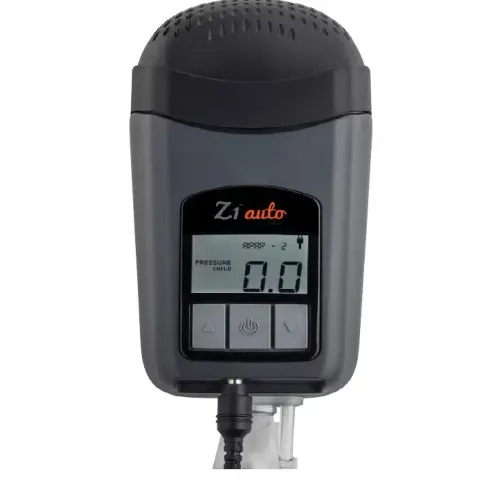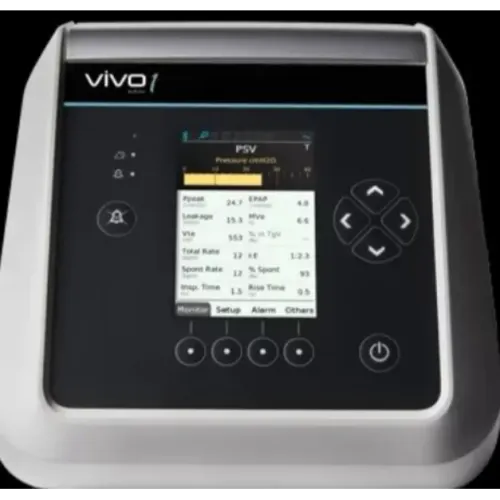
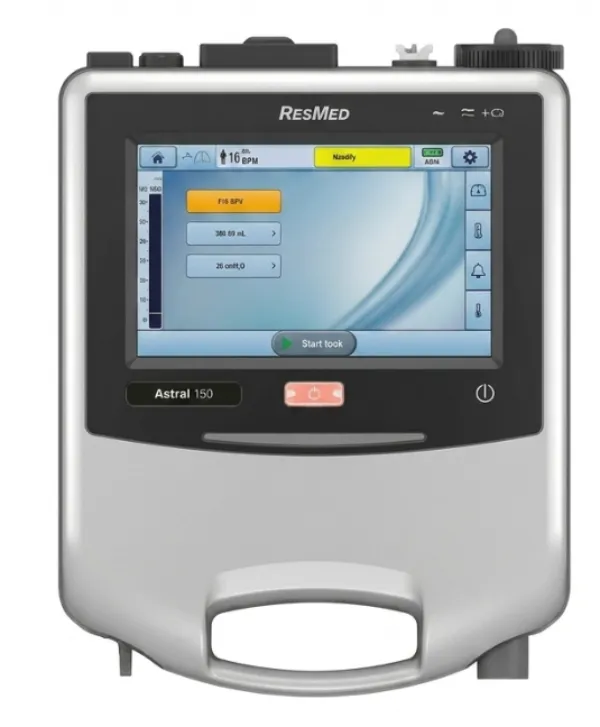
Moving a patient who requires ventilatory support involves more than arranging a vehicle. The respiratory equipment used during transfer must be appropriate for the patient's clinical requirements and the conditions expected during transportation. This makes selection of a transport ventilator an important part of transfer planning.
Hospitals, clinics and care teams in Coimbatore evaluating transport ventilation should look at clinical capability, battery backup, portability, alarms and technical readiness rather than choosing a unit solely because it is compact.
When Is a Transport Ventilator Required?
Transport ventilators are designed to provide respiratory support while a patient is being moved between locations.
This may include:
- Transfer between hospitals
- Movement to diagnostic facilities
- Inter-facility critical care transportation
- Ambulance transfer
- Movement within larger healthcare facilities
The clinical team should determine the required ventilation mode and monitoring based on the patient's condition.
Check Ventilation Capabilities First
A transport ventilator should support the modes and parameters required for the intended patient population.
Healthcare facilities should assess whether the device is suitable for the types of transfers they commonly undertake. Adult, paediatric and other specialised requirements may differ substantially.
A unit that works for one transfer scenario should not automatically be considered suitable for every ventilated patient.
Battery Capacity Is a Critical Consideration
Transport inherently creates periods when standard electrical power may not be available.
Facilities should understand expected battery performance under real operating conditions and establish charging procedures before transfers. Battery health should also form part of routine equipment checks.
Longer journeys require additional planning because delays can extend the anticipated transfer duration.
Alarms Need to Be Clear
Transport environments can be noisy and physically demanding. Ventilator alarms therefore need to be understandable to trained staff.
Teams should be familiar with alarm categories, indicators and appropriate responses before using the equipment during an actual patient transfer.
Alarm familiarity is particularly important because transportation is not the ideal time to learn an unfamiliar user interface.
Consider Size Without Sacrificing Capability
Portability matters inside ambulances and during movement through corridors, lifts or diagnostic areas.
However, choosing the smallest device without considering clinical capability can be a mistake. The better approach is to balance weight and dimensions with required modes, battery performance, durability and monitoring features.
Mounting or securing arrangements should also be considered so that the device remains appropriately positioned during transportation.
Provider Readiness Matters
Healthcare organisations purchasing or arranging transport ventilator equipment should ask prospective providers practical questions.
Check whether the provider can explain:
- Available models
- Relevant technical specifications
- Included accessories
- Battery configuration
- Equipment preparation
- Maintenance requirements
- Technical support process
Facilities should also maintain their own clinical protocols, staff training and pre-transfer equipment checks.
Transport Ventilator Support in Coimbatore
Coimbatore is a major healthcare centre in western Tamil Nadu, with patients frequently transferred between hospitals, diagnostic centres and specialised treatment facilities. Reliable transport respiratory equipment can therefore be an important operational requirement for healthcare institutions.
Breathe Support System provides respiratory equipment solutions, including transport ventilation options, for healthcare requirements in Coimbatore. Hospitals and clinical teams can evaluate equipment according to their expected transfer applications rather than relying on a generic specification.
A transport ventilator should ultimately be selected as part of a complete patient-transfer system. Clinical suitability, trained personnel, reliable power, compatible accessories, monitoring and contingency planning all need to be ready before transportation begins.
Keywords