

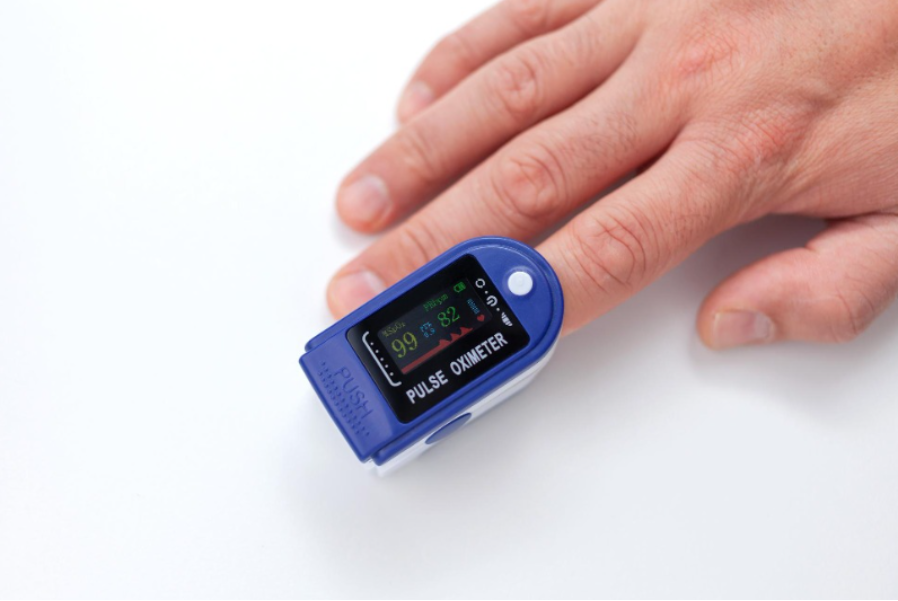
A pulse oximeter is a small monitoring device that estimates oxygen saturation in the blood and displays pulse rate. It has become familiar in home healthcare, but owning one is not the same as knowing how to interpret its readings correctly.
For families in Vellore caring for people with respiratory needs, understanding the limitations of pulse oximetry is just as important as knowing how to take a reading.
What Does SpO2 Mean?
Most pulse oximeters display a value labelled SpO2. This represents an estimate of peripheral oxygen saturation.
The device usually clips onto a fingertip and uses light to estimate how much haemoglobin is carrying oxygen. It can provide useful information without requiring a blood sample.
However, a pulse oximeter does not diagnose the cause of breathing difficulty. It also does not measure every aspect of respiratory function.
How to Take a More Reliable Reading
Several practical factors can influence the measurement.
When taking a reading:
- Allow the person to settle before measuring when appropriate.
- Keep the hand relatively still.
- Position the device correctly on the finger.
- Wait for the displayed value to stabilise.
- Record readings when a clinician has advised regular monitoring.
Poor circulation, movement, cold fingers, nail products and device-related factors may affect measurement quality.
If a reading appears inconsistent with how the person looks or feels, it can be useful to repeat the measurement correctly while following the patient's clinical instructions.
Why Trends Can Matter
One isolated number provides limited information.
When home monitoring has been recommended, a record of readings may help healthcare professionals understand how oxygen saturation behaves at different times or during particular activities.
A monitoring record might include:
- Date
- Time
- SpO2 reading
- Pulse rate
- Whether the person was resting
- Relevant symptoms
- Oxygen use according to prescription
Patients should follow the monitoring plan provided by their healthcare professional rather than creating arbitrary targets themselves.
A Pulse Oximeter Is Not a Substitute for Assessment
One of the most important limitations of home pulse oximetry is that users may focus too heavily on the display.
A person can have concerning respiratory symptoms even when a home reading does not appear dramatically abnormal. Conversely, an unexpected reading can sometimes result from measurement conditions or equipment limitations.
Severe breathlessness, altered consciousness, chest discomfort, bluish discolouration or other serious symptoms require appropriate medical attention rather than repeated home measurements alone.
Choosing a Device for Home Monitoring
A practical pulse oximeter should be easy for the intended user or caregiver to operate and read.
Consider factors such as:
- Clear display
- Comfortable finger placement
- Battery indication
- Stable construction
- Simple operation
- Instructions for correct use
For clinical monitoring, families should discuss device suitability with their healthcare team when necessary.
Looking After the Oximeter
The sensor area should be kept clean according to manufacturer instructions. Batteries should be replaced before they become unreliable, especially when the device forms part of a regular monitoring routine.
The unit should also be protected from moisture, impact and unsuitable storage temperatures.
Home Respiratory Monitoring in Vellore
Vellore is an important healthcare centre in Tamil Nadu, and many patients continue recovery or long-term respiratory management at home after clinical evaluation.
Breathe Support System provides respiratory care equipment, including monitoring solutions, for home healthcare requirements in Vellore. Equipment access is useful, but patients and caregivers should also understand when readings need to be shared with the treating team.
Used appropriately, a pulse oximeter can add useful information to home respiratory monitoring. Its greatest value comes from correct measurement, sensible interpretation and integration with professional medical care rather than relying on a single number in isolation.