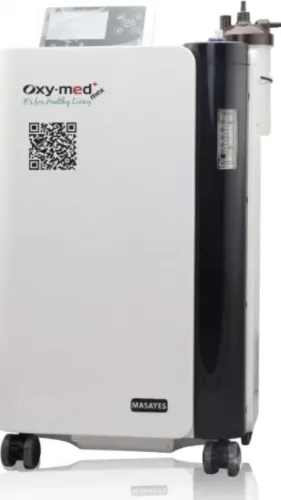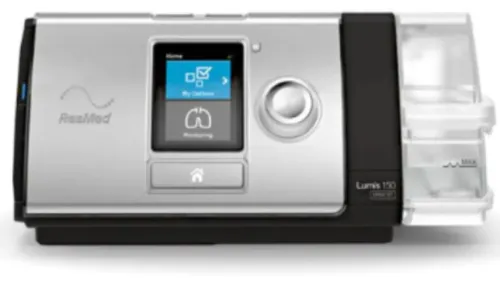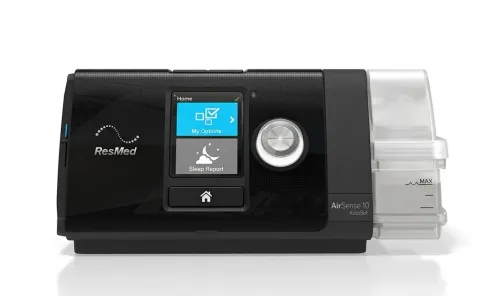


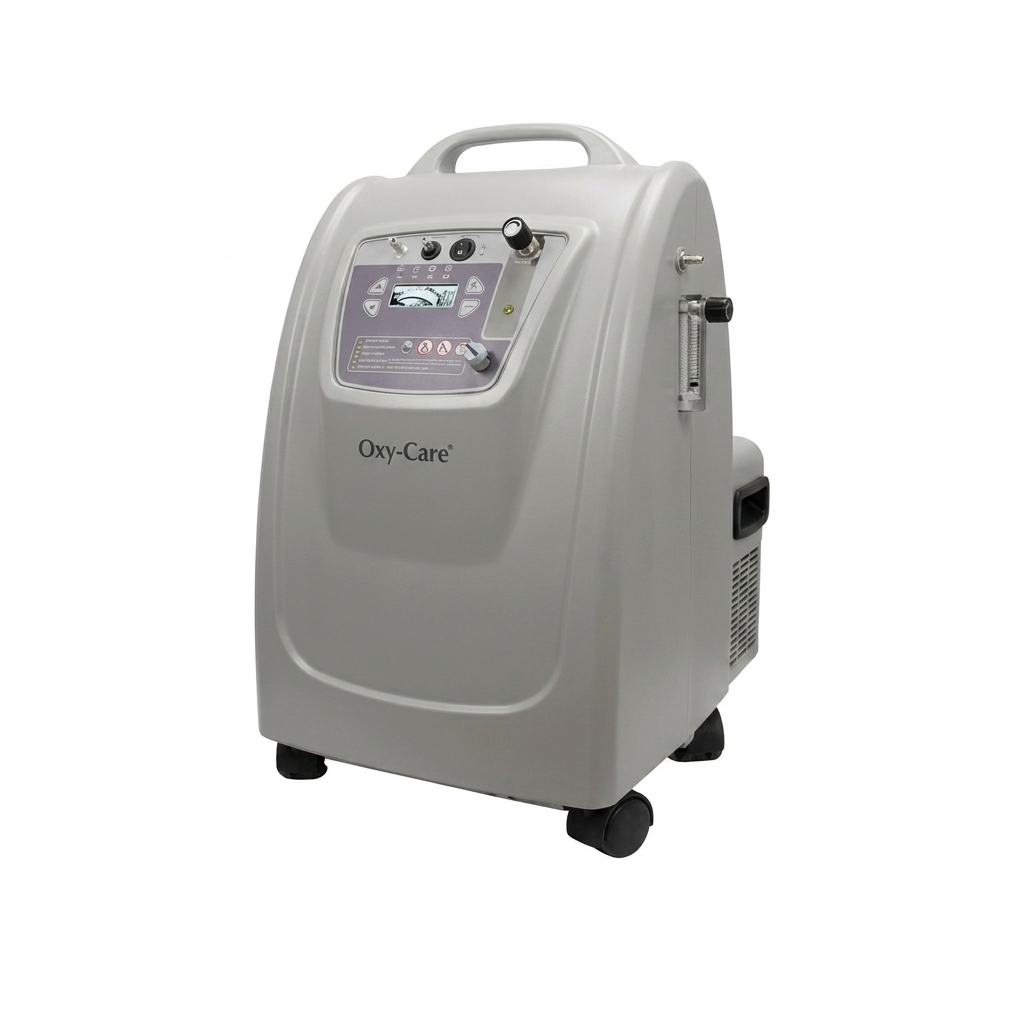
An oxygen concentrator is a medical device designed to take air from the surrounding environment and deliver oxygen at a higher concentration. For households in Madurai arranging prescribed oxygen therapy at home, concentrators can provide a practical alternative to relying exclusively on stored oxygen sources in appropriate situations.
The important point is that an oxygen concentrator should be selected according to the patient's prescribed oxygen requirements. Oxygen is a medical therapy, and the required flow should not be guessed from symptoms alone.
What Happens Inside an Oxygen Concentrator?
Normal room air contains nitrogen, oxygen and other gases. A concentrator draws this air into the machine and uses specialised filtering technology to separate much of the nitrogen.
The resulting oxygen-enriched gas is then delivered to the patient through an appropriate interface, commonly nasal cannula tubing depending on the prescription.
Unlike an oxygen cylinder, a concentrator does not simply contain a fixed quantity of stored oxygen. It continually processes surrounding air while operating.
Continuous Flow Explained
Many home concentrators provide oxygen using continuous flow. This means oxygen is delivered at the selected flow rate continuously.
Portable systems may use different delivery technologies, including pulse-dose delivery in certain models. These systems should not automatically be considered equivalent because their performance characteristics can differ.
A healthcare professional should determine whether a particular delivery method is suitable for the patient.
Important Factors in Home Placement
Where the concentrator is installed can influence its performance and safety.
It generally needs:
- Adequate airflow around the unit
- A stable surface
- Appropriate electrical supply
- Space away from obstructed air inlets
- Protection from excessive dust and moisture
- Safe separation from flames and smoking
Manufacturer instructions should always take priority because clearance and operating requirements vary by model.
Oxygen Safety at Home
Oxygen supports combustion, so families should follow strict safety practices.
Smoking must not occur around oxygen equipment. The device should be kept away from flames, heat sources and materials that could create a fire risk. Families should also follow instructions concerning electrical connections and approved accessories.
Oil or petroleum-based substances should not be applied to oxygen equipment unless specifically approved for that purpose.
Understanding Flow Requirements
A common mistake is to assume that more oxygen is always better. Oxygen flow should instead follow the patient's prescription.
The prescribed flow may differ during rest, activity or sleep in some treatment plans. Families should therefore understand the written instructions they have received and ask the treating team when anything is unclear.
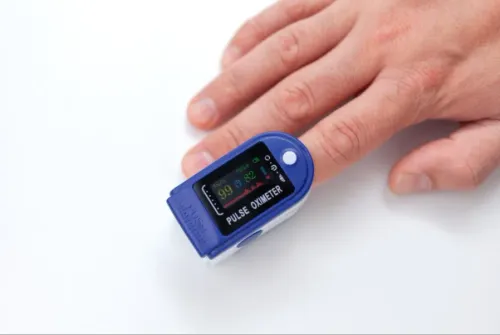
Pulse oximeter readings can provide useful monitoring information when clinicians recommend them, but the number on a pulse oximeter should be interpreted in the patient's clinical context.
Routine Equipment Checks
A concentrator needs regular attention even though it generates oxygen from room air.
Users should check filters and accessories according to the manufacturer's schedule. Nasal cannulas and tubing may also require replacement at appropriate intervals.
Unusual alarms, changes in sound, reduced output or visible equipment damage should be investigated rather than ignored.
Home Oxygen Support in Madurai
Madurai serves patients from the city as well as neighbouring districts across southern Tamil Nadu. When someone is discharged from hospital with a home oxygen prescription, families may have limited time to understand equipment requirements and organise a suitable home environment.
Breathe Support System provides respiratory equipment solutions for home healthcare needs in Madurai. Practical equipment support can help families understand installation and operation, while oxygen flow and treatment duration should remain under medical direction.
Knowing how an oxygen concentrator functions makes home oxygen therapy less confusing. Appropriate equipment, a clear prescription, safe placement and consistent maintenance together create a better foundation for responsible respiratory care at home.