
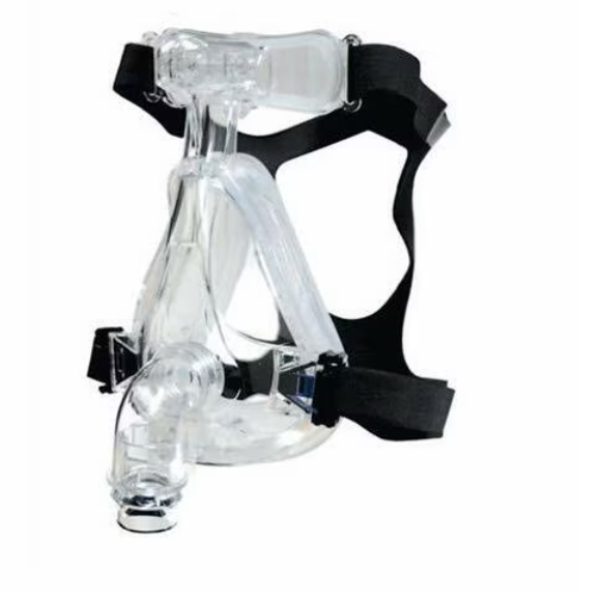
During non-invasive ventilation, the mask is more than an accessory. It is the connection between the patient and the respiratory support system. An unsuitable NIV mask can contribute to air leakage, discomfort, skin pressure and difficulty tolerating therapy.
For patients using respiratory support at home in Krishnagiri, evaluating mask fit carefully can improve the practical experience of prescribed NIV therapy.
Why NIV Mask Fit Is So Important
Non-invasive ventilation relies on pressurised air being delivered through an interface. Excessive leakage can interfere with the intended delivery and make the system uncomfortable.
At the same time, preventing leakage by overtightening the mask can create another set of problems.
The goal is an appropriate seal with reasonable comfort.
Common NIV Mask Styles
Different interfaces suit different patients and treatment situations.
Full-face or oronasal masks cover the nose and mouth. Nasal interfaces primarily deliver therapy through the nose. Other specialised interfaces may be used according to clinical needs and equipment compatibility.
The correct choice depends on factors such as:
- Breathing pattern
- Mouth leakage
- Facial structure
- Pressure requirements
- Sleeping position
- Patient tolerance
- Skin condition
- Prescribed ventilation mode
There is no single mask design that is automatically best for everyone.
Signs That the Fit Needs Attention
A patient does not have to wait for severe discomfort before reviewing mask fit.
Common warning signs include:
- Persistent air leakage
- Air blowing toward the eyes
- Redness around contact areas
- Pressure over the bridge of the nose
- Frequent need to reposition the mask
- Excessive strap tightness
- Dryness or discomfort
- Difficulty maintaining therapy
Some temporary marks may occur with mask use, but persistent skin injury or significant discomfort deserves attention.
Avoid Overtightening
When leakage occurs, the natural reaction is often to pull the straps tighter.
This can sometimes worsen the fit by distorting the mask cushion. It may also increase pressure on the skin.
Instead, check whether the mask is positioned correctly and whether its size and shape suit the patient. Worn cushions or straps can also affect sealing performance.
Check Compatibility Before Replacing a Mask
Not every respiratory mask is intended for every machine or therapy configuration.
Vent design, tubing connection and other technical characteristics can differ. Patients should therefore avoid buying a replacement purely on appearance.
The equipment provider or healthcare professional can help confirm whether an interface is suitable for the prescribed NIV system.
Cleaning Helps Maintain the Seal
Natural skin oils and residue can build up on mask cushions and affect performance.
Cleaning should follow the manufacturer's instructions. Harsh chemicals, unapproved disinfectants or inappropriate cleaning methods can damage mask materials.
Headgear, cushions and other components also wear over time. Periodic inspection can identify cracking, loss of elasticity or deformation before these problems significantly affect therapy.
Finding Suitable NIV Masks in Krishnagiri
Patients in Krishnagiri may receive specialist respiratory care in larger healthcare centres before continuing treatment at home in northern Tamil Nadu. Having access to compatible masks and replacement accessories closer to home can simplify ongoing equipment management.
Breathe Support System supports respiratory equipment requirements, including NIV interfaces, for patients in Krishnagiri. When selecting a replacement mask, families should provide details of the machine and current therapy so compatibility can be considered properly.
A comfortable NIV experience depends on much more than choosing a small, medium or large mask. Interface style, facial fit, sealing, equipment compatibility and ongoing maintenance all influence performance. Addressing these factors systematically can make prescribed home respiratory therapy easier to manage.