
Children with complex respiratory conditions often require specialized ventilation support that differs significantly from adult respiratory care. A paediatric ventilator is designed to deliver precise breathing assistance while accommodating the unique physiological needs of infants and children.
Choosing the right equipment requires careful evaluation, as accuracy, safety, and reliability are essential for effective treatment.
What Is a Paediatric Ventilator?
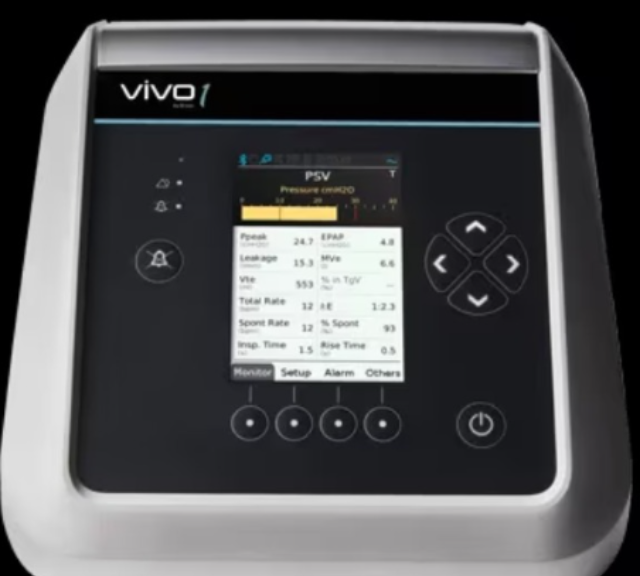
A paediatric ventilator is a medical device that assists or supports breathing in babies and children who cannot breathe adequately on their own. These ventilators provide carefully controlled airflow and pressure based on the child's age, size, and clinical condition.
They are commonly used in hospitals, intensive care units, and selected home healthcare settings under medical supervision.
Conditions That May Require Ventilation Support
A paediatric ventilator may be recommended for children with:
- Neuromuscular disorders
- Congenital respiratory conditions
- Severe lung infections
- Chronic respiratory diseases
- Recovery following major surgery
- Other conditions affecting normal breathing
Treatment decisions are always based on specialist medical assessment.
Important Features to Evaluate
Not all ventilators are designed for paediatric care. Before selecting equipment, consider features such as:
- Accurate low-volume ventilation
- Sensitive pressure monitoring
- Multiple ventilation modes
- Reliable alarm systems
- Battery backup
- User-friendly controls
- Compatibility with paediatric breathing circuits
These capabilities help healthcare professionals deliver safe and effective respiratory support.
Why Reliability Is Critical
Respiratory support equipment is often required continuously or for extended periods.
A dependable ventilator should provide:
- Stable performance
- Consistent airflow
- Accurate monitoring
- Durable construction
- Easy maintenance
- Fast technical support when required
Reliability becomes especially important during long-term home respiratory care.
The Importance of Caregiver Training
Parents and caregivers should receive practical guidance before operating any paediatric ventilator at home.
Training typically includes:
- Basic machine operation
- Alarm recognition
- Daily equipment inspection
- Cleaning procedures
- Emergency response instructions
- Routine maintenance recommendations
Proper education improves confidence while supporting safer home care.
Ongoing Maintenance Protects Performance
Regular servicing helps ensure dependable operation.
Routine maintenance may include:
- Performance testing
- Battery inspection
- Filter replacement
- Circuit evaluation
- Calibration verification
- Scheduled preventive servicing
Following the manufacturer's recommendations helps extend equipment life while maintaining safety.
Choosing a Provider With Long-Term Support
Families searching for paediatric ventilators in Coimbatore often benefit from providers that offer equipment demonstrations, technical guidance, servicing, and prompt after-sales assistance. These services become particularly valuable for children receiving respiratory care at home.
Across Tamil Nadu, advances in paediatric healthcare have increased access to specialized respiratory equipment, allowing more children to receive appropriate breathing support outside hospital settings when clinically suitable.
Breathe Support System supplies paediatric ventilators along with respiratory care equipment and accessories supported by knowledgeable guidance throughout the equipment selection process. Educational resources available through breathesupportsystem.com also help caregivers better understand home respiratory care.
Selecting a paediatric ventilator is an important healthcare decision that should always be made under medical guidance. Reliable equipment, professional support, and informed caregivers together contribute to safer and more effective respiratory care for children.