

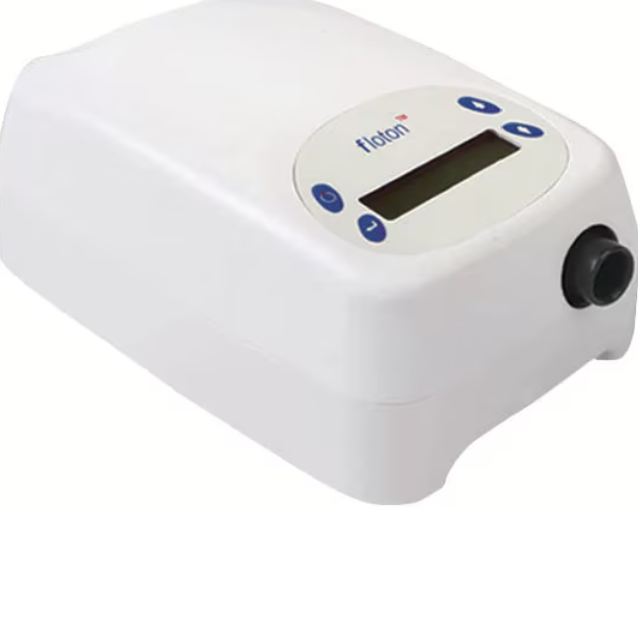
Many people begin CPAP therapy expecting immediate improvements in their sleep, only to experience dry nose, throat irritation, nasal congestion, or discomfort after a few nights. These issues are common, especially for users who live in air-conditioned environments or naturally breathe through their mouth during sleep. A CPAP humidifier is designed to address these concerns by adding moisture to the airflow, making therapy more comfortable and encouraging consistent use.
Understanding how a humidifier works and when it is beneficial can help CPAP users get the most from their treatment.
What Is a CPAP Humidifier?
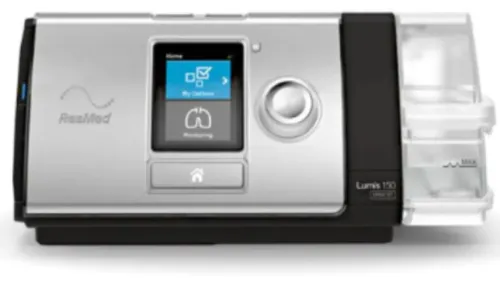
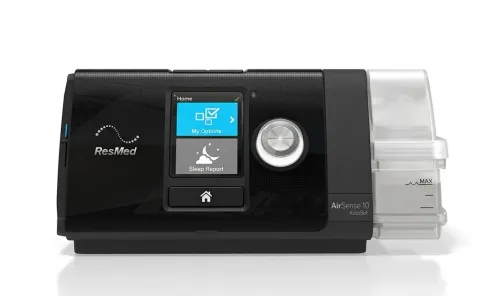
A CPAP humidifier is an accessory that attaches to or is integrated with a CPAP machine. It gently adds moisture to the pressurized air before it reaches the user through the mask. This helps reduce dryness in the nose, mouth, and throat without affecting the prescribed air pressure.
Humidifiers are commonly recommended for individuals who experience discomfort during CPAP therapy, particularly in dry climates or air-conditioned rooms.
Benefits of Using a Humidifier
Adding humidification to CPAP therapy offers several advantages that improve comfort and support long-term treatment success.
Reduces Dryness
Moisturized air helps prevent dry nasal passages, sore throat, and mouth dryness that some users experience during therapy.
Improves Sleeping Comfort
Comfortable airflow allows many users to sleep more peacefully throughout the night without waking because of irritation.
Helps Reduce Nasal Congestion
A humidifier can minimize nasal irritation that may occur when dry air passes continuously through the airway.
Encourages Regular CPAP Use
People who feel comfortable using their CPAP machine are more likely to continue therapy consistently, improving treatment effectiveness over time.
Who Should Consider a Humidifier?
A humidifier may be especially useful for people who:
- Wake up with a dry mouth or throat
- Experience frequent nasal congestion
- Sleep in air-conditioned rooms
- Live in areas with low humidity
- Use CPAP therapy every night
- Breathe through their mouth while sleeping
A healthcare professional can advise whether humidification is appropriate based on individual therapy needs.
Tips for Using a CPAP Humidifier
Following a few simple practices helps maintain hygiene and performance.
- Fill the water chamber with distilled water whenever recommended.
- Empty the remaining water each morning.
- Clean the water chamber regularly according to the manufacturer's instructions.
- Replace worn components when necessary.
- Adjust humidity levels gradually until comfortable.
Routine maintenance helps prevent mineral buildup and keeps the humidifier functioning efficiently.
Common Questions About CPAP Humidifiers
Is a humidifier necessary for every CPAP user?
Not everyone requires one, but many people find humidification significantly improves comfort, especially during long-term therapy.
Can too much humidity cause discomfort?
Yes. Excessive humidity may create condensation inside the tubing. Most modern machines allow humidity settings to be adjusted for individual comfort.
Does a humidifier affect CPAP pressure?
No. The humidifier only adds moisture to the airflow and does not change the pressure prescribed by your healthcare provider.
Choosing the Right Humidifier
When selecting a CPAP humidifier, consider:
- Compatibility with your CPAP machine
- Ease of cleaning
- Water chamber capacity
- Adjustable humidity settings
- Heated humidification options
- Availability of replacement parts
Choosing a compatible accessory ensures smooth operation and reliable performance.
Local Respiratory Care Support
CPAP users in Coimbatore often benefit from working with respiratory equipment providers who can recommend compatible humidifiers, explain proper maintenance, and provide replacement accessories when needed. Access to local support simplifies equipment care and improves the overall therapy experience.
Across Tamil Nadu, awareness of sleep therapy continues to grow, and many patients now recognize that accessories such as humidifiers can make a significant difference in long-term treatment comfort.
Breathe Support System offers CPAP humidifiers and respiratory accessories compatible with a wide range of sleep therapy devices. The company also provides practical guidance to help customers choose suitable equipment and maintain it correctly. Additional information about respiratory care products is available through breathesupportsystem.com.
A CPAP humidifier may seem like a simple accessory, but it can play an important role in improving comfort, reducing dryness, and helping users stay committed to successful sleep therapy over the long term.