

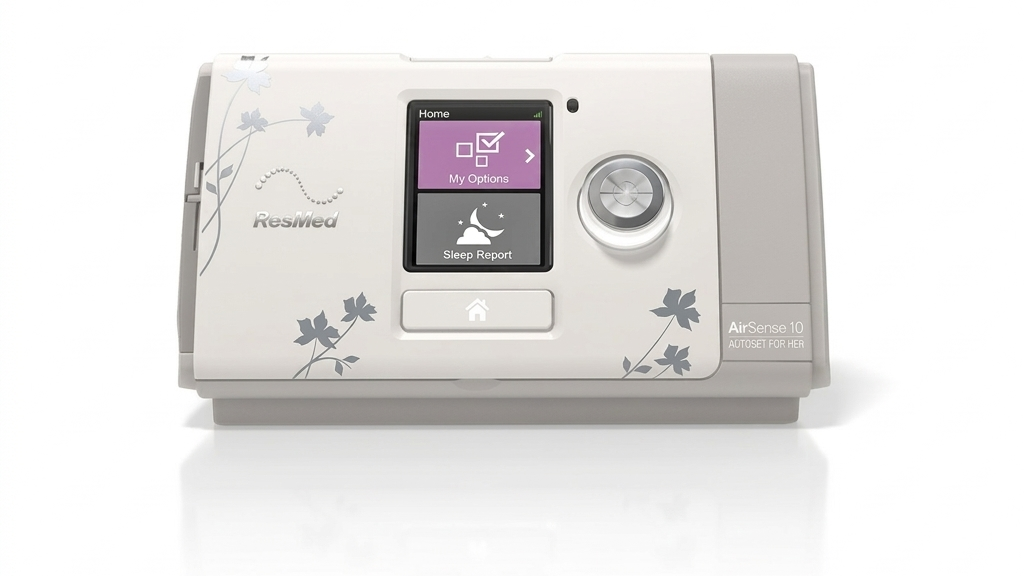
CPAP machines are commonly used to support people who need positive airway pressure while sleeping. For families in Coimbatore managing long-term respiratory or sleep-related breathing needs, understanding how these machines work can make home care easier and help patients use prescribed therapy more consistently.
CPAP stands for Positive Airway Pressure. The equipment delivers pressurised air through a mask to help keep the airway open. CPAP therapy may be recommended after a medical assessment or sleep study when a doctor identifies a condition that can benefit from airway pressure support.
How Does a CPAP Machine Work?
A PAP machine draws in room air, filters it, pressurises it to the prescribed level, then delivers it through tubing connected to a mask. Depending on the type of machine and prescription, the pressure may remain constant or change according to the patient's breathing pattern.
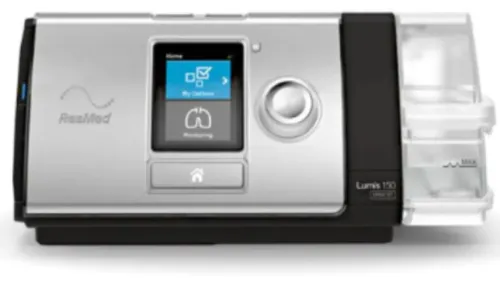
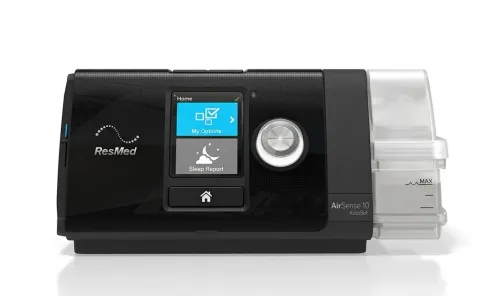
A typical setup includes:
- CPAP device
- Power supply
- Air tubing
- Suitable mask
- Air filter
- Humidifier in compatible models
Each component affects the overall therapy experience. A poorly fitting mask, blocked filter, damaged tubing, or unsuitable humidification setting can make treatment uncomfortable even when the machine itself is functioning properly.
Different Types of CPAP Therapy
PAP is a broad category rather than a single treatment mode. Common variations include CPAP, BiPAP and automatically adjusting PAP systems.
CPAP generally supplies one continuous prescribed pressure. BiPAP provides separate pressure levels for inhalation and exhalation. Auto-adjusting systems can vary pressure within a prescribed range according to detected breathing patterns.
The appropriate option depends on the patient's diagnosis and clinical requirements. Families should avoid selecting pressure settings simply on the basis of another patient's experience.
Why Mask Selection Matters
The mask is the part of the system that directly interacts with the patient for several hours. Mask fit can therefore influence comfort, leakage and therapy consistency.
Common styles include nasal masks, nasal pillow interfaces and full-face masks. The suitable design may depend on whether the patient breathes through the mouth, changes sleeping position frequently, experiences nasal discomfort, or needs a particular pressure level.
A mask should create an effective seal without requiring excessive tightening. Persistent leakage around the eyes, pressure marks or discomfort should be discussed with the equipment provider or treating healthcare professional.
Getting Used to CPAP Therapy at Home
Some people adapt to positive airway pressure quickly, while others need time. A gradual and organised approach may make the adjustment easier.
Patients can become familiar with the mask while awake before attempting a full night's use. Keeping the equipment clean and placing the machine securely beside the bed also helps establish a routine.
Patients should follow their clinician's recommendations regarding how long and how frequently the equipment should be used.
Basic CPAP Equipment Care
Regular maintenance is important for hygiene and dependable operation. Users should follow the manufacturer's instructions because cleaning requirements vary between models.
General care may include:
- Cleaning the mask at recommended intervals
- Checking tubing for moisture or damage
- Replacing filters according to instructions
- Using appropriate water in the humidifier when required
- Keeping air inlets unobstructed
- Inspecting accessories for deterioration
Strong cleaning chemicals should not be used unless specifically permitted by the manufacturer.
Respiratory Equipment Support in Coimbatore
Coimbatore has a substantial healthcare network serving patients from the city and surrounding parts of western Tamil Nadu. As more respiratory care continues outside hospitals, families may need access to appropriate equipment along with practical guidance about installation, accessories and routine use.
Breathe Support System provides respiratory care equipment for home healthcare requirements in Coimbatore. However, the choice of CPAP machine, therapy mode and prescribed pressure should remain based on professional medical assessment.
CPAP therapy is most useful when the equipment, interface, prescription and everyday routine work together. Understanding these fundamentals can help families participate more confidently in home respiratory care.