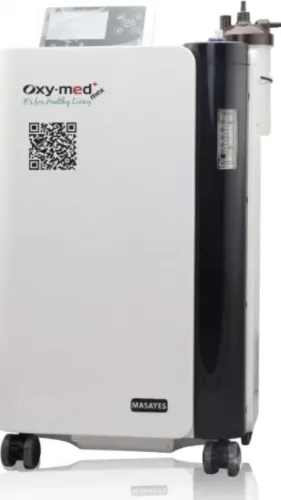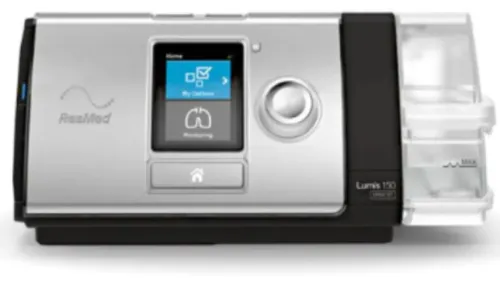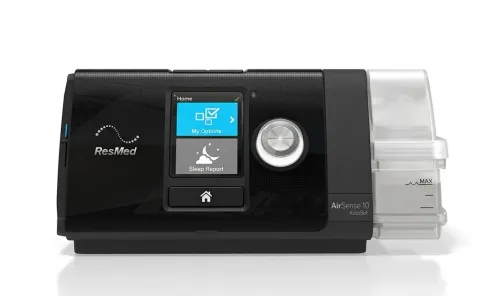


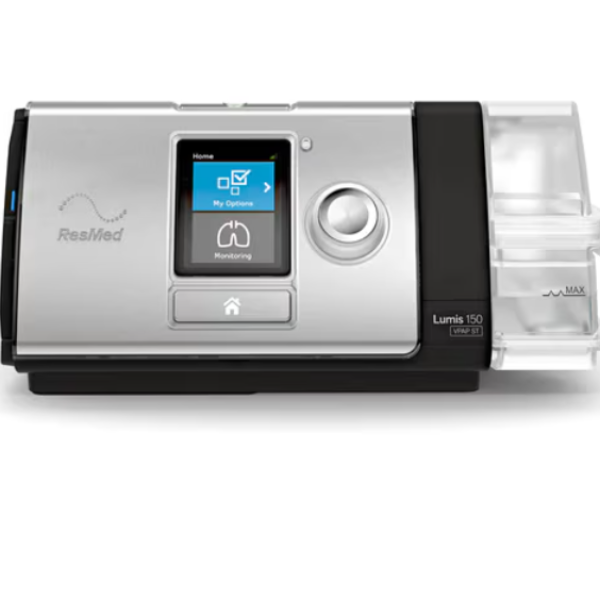
A BIPAP machine provides non-invasive breathing support by delivering air at two different pressure levels. For patients receiving respiratory care at home in Salem, understanding the purpose of BiPAP therapy is particularly important because the machine should be used according to an individual clinical assessment rather than treated as a general-purpose breathing device.
BiPAP is often written as bilevel positive airway pressure. Unlike a system that maintains one continuous pressure, bilevel therapy provides a higher pressure while the patient breathes in and a lower pressure while breathing out.
Understanding the Two Pressure Levels
The higher inspiratory pressure helps support inhalation. The lower expiratory pressure can make breathing out against the machine more comfortable.
The exact pressure values are not universal. They are selected according to the patient's condition and medical requirements.
Depending on the clinical situation, a healthcare professional may recommend bilevel support for certain sleep-related breathing disorders or respiratory conditions where non-invasive ventilatory assistance is considered appropriate.
What Is Included in a BiPAP Setup?
A home BiPAP system usually involves more than the main machine. Its components may include:
- BiPAP device
- Breathing circuit or tubing
- NIV-compatible mask
- Filters
- Power adapter
- Humidification system where applicable
- Additional accessories specified for the patient
The compatibility of these components matters. Families should avoid replacing masks, circuits, filters or other parts with unsuitable alternatives merely because they appear physically similar.
Creating a Suitable Home Setup
The machine should be positioned on a stable surface with sufficient ventilation around it. Air inlets should remain unobstructed, and tubing should be arranged so that it does not become sharply bent or pulled during sleep.
Electrical arrangements also deserve attention. Families should understand what happens if power is interrupted and discuss appropriate contingency planning with the equipment provider and healthcare team when continuous respiratory support is clinically important.
Recognising Mask-Related Problems
Mask leakage is one of the most noticeable issues during non-invasive respiratory support.
Possible signs include:
- Air escaping toward the eyes
- Excessive noise from the mask seal
- Pressure marks
- Skin irritation
- Repeated mask movement
- Uncomfortable tightness
Simply tightening the straps further is not always the right answer. The mask may be the wrong size or design, or its cushion may need replacement.
Monitoring the Patient
Home respiratory support does not remove the need for medical follow-up. Families should understand the patient's prescribed treatment plan and know which changes need professional attention.
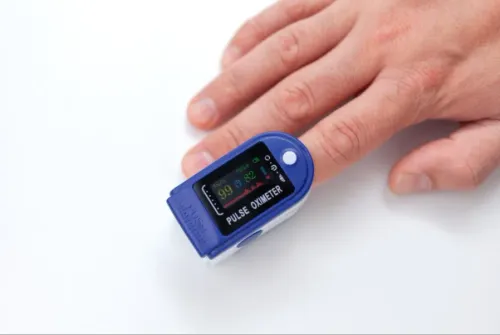
Unexpected deterioration in breathing, unusual drowsiness, difficulty tolerating therapy, persistent low oxygen readings when monitoring has been prescribed, or other concerning symptoms should not be managed merely by changing machine settings.
Pressure and mode adjustments should be made only according to appropriate clinical guidance.
Cleaning the Equipment
Good hygiene can improve comfort and protect equipment performance. Mask components and tubing should be cleaned according to manufacturer instructions. Filters need inspection and replacement at the recommended intervals.
Before cleaning any electrical device, users should follow the manufacturer's safety instructions.
Keeping a simple maintenance schedule can help caregivers remember when filters, masks and other consumable parts require attention.
Home Respiratory Care in Salem
Families in Salem and surrounding areas of Tamil Nadu increasingly manage portions of respiratory care outside a hospital environment. This makes reliable equipment access, correct setup and caregiver understanding important parts of the transition home.
Breathe Support System supports home healthcare requirements involving respiratory equipment in Salem. The equipment provider can assist with machine-related practicalities, while diagnosis, therapy selection and clinical monitoring remain the responsibility of qualified healthcare professionals.
A BiPAP machine is not simply a device that supplies air. It is part of a prescribed respiratory support system. Understanding its pressure delivery, mask requirements, maintenance and safe home use helps caregivers provide more organised support.